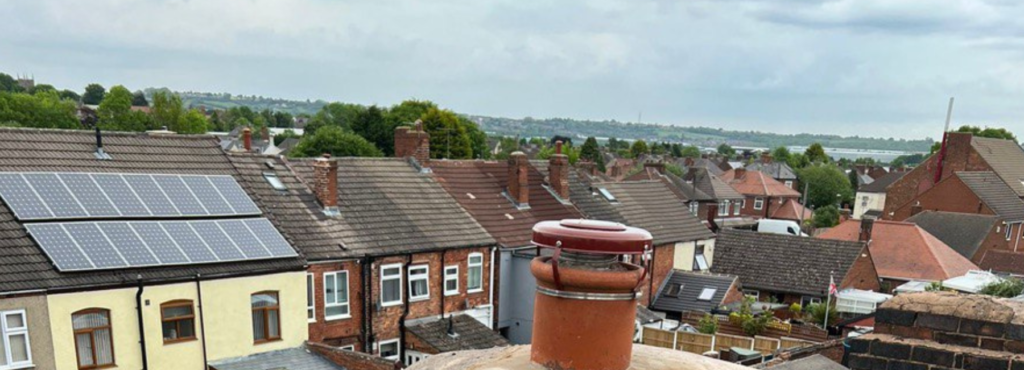
A hip roof has a distinctive appearance that is immediately recognisable. Rather than having vertical gable ends, the roof slopes down towards the walls on every side, creating a compact and symmetrical form. This gives many properties a particularly balanced roofline while also creating a structure in which the different slopes work together as part of one continuous design.
For homeowners in Thatcham, West Berkshire, understanding how a hip roof is constructed can also make it easier to recognise why maintenance matters. The appearance of the roof depends on accurately formed hips, correctly laid tiles, secure ridge details and sound weatherproofing throughout.
At MCM Roofing Repairs Thatcham, we provide professional roofing services for hip roofs and other pitched roofing systems, helping property owners maintain the condition, appearance and performance of their roofs.
What Exactly Is a Hip Roof?
A hip roof is a pitched roofing design in which the main roof surfaces slope towards the walls rather than incorporating the large vertical ends associated with a traditional gable roof.
Where adjoining slopes meet externally, they create the diagonal lines known as hips.
These hips are one of the defining characteristics of the roof and contribute significantly to its appearance.
Depending on the shape and layout of the property, a hip roof may incorporate:
- Several pitched roof slopes
- Diagonal hip lines
- Ridge sections
- Hip tiles or equivalent coverings
- Eaves around multiple sides of the building
- Junctions connecting different roof sections
The precise configuration can vary, but the overall effect is usually a roof that appears contained and well balanced.
Why Does a Hip Roof Look So Balanced?
The visual balance comes primarily from the way the roof slopes are distributed around the building.
Instead of having a pitched roof surface on two sides and prominent vertical ends, a hip roof continues the sloping form around the structure.
This creates a strong sense of continuity.
From different viewpoints around the property, the roof retains a recognisable pitched form. The slopes appear to connect naturally rather than stopping abruptly at a gable wall.
For many homes, this gives the roof a particularly cohesive appearance.
The Hip Lines Create Strong Visual Definition
The diagonal hip lines are an important architectural feature.
They run from the external corners of the building towards the upper sections of the roof, visually dividing the roof into individual slopes.
When these lines are straight and correctly finished, they give the roof a precise, structured appearance.
This is one reason problems with hip tiles can become particularly noticeable. A displaced or deteriorated section can interrupt one of the most prominent lines in the entire roof.
Maintaining these areas therefore supports both appearance and weather resistance.
Symmetry Plays an Important Role
Many hip roofs have a naturally symmetrical quality.
Where the building itself has a straightforward footprint, the roof slopes can create an orderly arrangement around the property. Even more complex hip roof designs tend to retain a sense of visual balance because the different planes are connected through hips, ridges and junctions.
This can give the property a substantial, established appearance.
However, achieving this result depends on accurate roofing work. Small inconsistencies in tile alignment, ridge positioning or hip detailing can become more noticeable because the design relies so heavily on clear lines.
Hip Tiles Are More Than Decorative Features
The tiles covering a hip are visually prominent, but their purpose is not simply decorative.
The point where two roof slopes meet creates a junction that needs to remain properly protected from the weather.
Hip tiles provide coverage along this line while contributing to the characteristic appearance of the roof.
If hip tiles become loose, cracked or displaced, the issue should be assessed professionally. Leaving deterioration unresolved can expose an important roof junction to further weathering.
The Ridge Completes the Upper Roofline
Many hip roofs also incorporate a ridge where opposing roof slopes meet at the highest section.
This provides another strong horizontal line that helps define the overall shape.
The relationship between the ridge and hips is particularly important visually. Hip lines may rise from different corners and meet the ridge, creating the geometric arrangement associated with this roofing style.
Ridge components must remain properly positioned and secure, just like the rest of the roof covering.
Consistent Tile Layout Strengthens the Appearance
The regular arrangement of tiles or slates across each roof slope contributes considerably to the finished look.
Straight courses create repetition across the surface, while the hips provide strong diagonal boundaries.
When the roof is in good condition, these different lines work together to create an orderly finish.
Problems such as slipped or broken tiles can interrupt this consistency.
One displaced tile may appear minor, but because the surrounding roof covering is normally so regular, even relatively small defects can stand out.
Why Accurate Construction Matters
A hip roof contains several slopes and junctions that must meet correctly.
This makes accurate setting out and roofing workmanship particularly important.
The roof structure needs to establish the correct shape, while the covering must then follow those lines consistently.
Important areas include:
- Hip junctions
- Ridge sections
- Eaves
- Tile courses
- Flashing around roof features
- Connections with adjoining roof sections
Each detail contributes to the complete roof rather than functioning independently.
A Hip Roof’s Strength Comes from Its Complete Structure
The strong appearance of a hip roof reflects the way its different sections are interconnected.
However, visual solidity should not be confused with immunity from roofing problems.
Like any pitched roof, a hip roof can experience deterioration caused by ageing materials, weather exposure or individual component failure.
Common issues requiring attention can include:
- Slipped tiles
- Broken roof coverings
- Loose hip tiles
- Ridge deterioration
- Flashing defects
- Water ingress
- Problems around roof junctions
Prompt assessment can help keep an isolated problem from affecting surrounding roofing components.
Why Hip Areas Deserve Particular Attention
Hip lines occupy exposed positions on the roof.
Because they project along the external meeting points between roof slopes, they experience considerable exposure to the weather.
If a hip component becomes loose or deteriorated, it is worth having the surrounding section checked rather than concentrating exclusively on the visibly affected piece.
A professional roofer can establish whether the problem is isolated or whether adjoining components also require attention.
Weather Can Reveal Existing Weaknesses
Strong winds and persistent rain can highlight areas of a roof that were already beginning to deteriorate.
Following periods of poor weather, homeowners may notice changes such as:
- A displaced hip tile
- Missing or slipped roof coverings
- Uneven sections
- Debris around the property
- Dampness inside the roof space
- New signs of water ingress
A visible change in the roofline is worth investigating, particularly where it affects a prominent hip or ridge.
Good Maintenance Helps Preserve the Roof’s Appearance
One advantage of maintaining a hip roof proactively is that localised repairs can often preserve the wider roof while it remains serviceable.
If one tile slips, replacing or securing the affected component can restore the regular surface.
Similarly, addressing deterioration around a hip or ridge can help retain the strong lines that define the roof.
Maintenance should therefore focus on performance first, but maintaining weatherproof components naturally helps preserve appearance as well.
Roof Repairs Should Respect the Existing Design
When repairs are required, the objective should be to integrate the work properly with the surrounding roof.
A hip roof gains much of its character from consistency, so replacement coverings and repaired details should sit correctly within the existing arrangement wherever practical.
Professional roofing work considers:
Alignment
Replacement components should follow the established roof lines.
Secure fixing
The repaired section needs to remain stable under normal weather exposure.
Weather resistance
Junctions and overlaps must continue performing correctly.
Surrounding condition
Nearby roofing materials should be checked for associated deterioration.
This provides a more complete repair than simply correcting what is visible from the ground.
When Does a Hip Roof Need Professional Attention?
Homeowners do not need to wait for water to appear inside the property before arranging an inspection.
External signs can provide earlier warning.
It is worth seeking professional advice if you notice:
- Hip tiles that appear loose or displaced
- Broken or missing tiles
- Uneven tile courses
- Deterioration along ridge sections
- Visible changes after strong winds
- Water marks internally
- Recurring problems in the same roof area
Early investigation can establish whether targeted repair is sufficient.
Does Damage to a Hip Mean the Whole Roof Needs Replacing?
Not necessarily.
A localised problem with hip tiles or another part of the covering does not automatically indicate that the entire roof has reached the end of its serviceable life.
Where surrounding materials remain in suitable condition, focused repair may be the appropriate solution.
More extensive work would normally only need consideration if inspection reveals widespread deterioration or recurring problems across larger sections.
The condition of the complete roof should determine the scale of the work.
Professional Hip Roof Repairs in Thatcham
At MCM Roofing Repairs Thatcham, we provide professional roofing services throughout Thatcham, West Berkshire, including repairs to hip roofs and their associated components.
Our approach involves assessing the visible defect alongside the surrounding roofing system. Whether the issue involves slipped tiles, hip components, ridge details or water ingress, identifying the cause allows the appropriate repair to be carried out while preserving serviceable areas wherever possible.
Careful workmanship is particularly important on hip roofs because their appearance and performance depend on accurate lines, secure junctions and correctly positioned roof coverings.
Conclusion
A hip roof gets its strong and balanced appearance from the way its roof slopes continue around the property and meet along clearly defined hips and ridges. The combination of diagonal hip lines, consistent pitched surfaces and accurately laid roof coverings creates a cohesive structure that looks substantial from multiple viewpoints.
Maintaining that appearance also means maintaining the components responsible for protecting the roof. Loose hip tiles, slipped coverings, deteriorated ridge details and other defects can interrupt both the visual balance and weather resistance of the roofing system.
For homeowners in Thatcham, West Berkshire, MCM Roofing Repairs Thatcham provides professional roof inspections and repairs for hip roofs and other pitched roofing systems. If you have noticed deterioration or a change in the appearance of your roof, contact our team to arrange an assessment and determine the appropriate repair.
Call us on: 01635 889 395
Click here to find out more about MCM Roofing Repairs Thatcham
Click here to complete our contact form and see how we can help with your roofing needs.