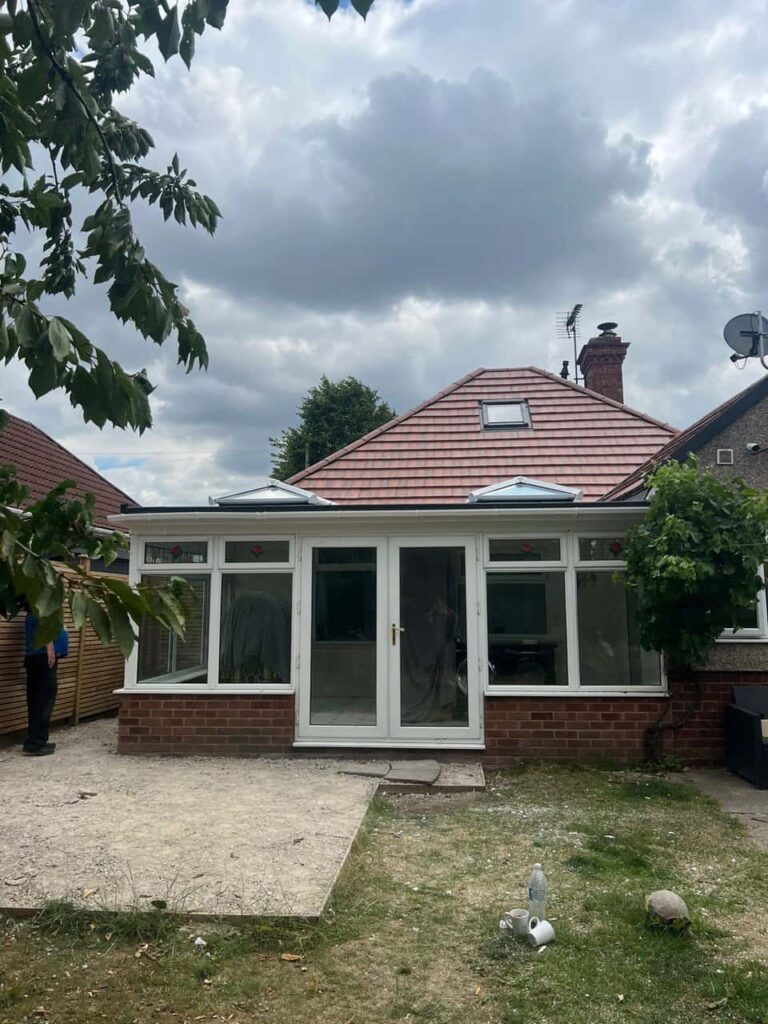
Pitched roofs have been a familiar feature of residential properties for generations, and there are good reasons why they remain such a trusted roofing design. Their sloping construction provides an effective way of managing rainfall, supports a wide variety of roofing materials and creates a strong, practical structure that can perform reliably for many years when correctly installed and maintained.
For homeowners in Tidworth, Wiltshire, understanding how a pitched roof works can also make it easier to recognise why maintenance and timely repairs are so important. Although pitched roofs are designed for long-term performance, individual components can still deteriorate through age, weather exposure and general wear.
At MCM Roofing Repairs Tidworth, professional inspection, maintenance and repair can help ensure that pitched roofing continues to provide the dependable protection expected from this established roof design.
What Exactly Is a Pitched Roof?
A pitched roof is constructed with one or more slopes rather than a predominantly horizontal surface. The angle of the roof helps rainfall move naturally towards the lower edges, where it can be directed away through the roofline and drainage system.
There are several pitched roof configurations, but they generally share the same fundamental principle: the roof covering, supporting structure and associated details work together to create a weather-resistant barrier over the property.
A typical pitched roofing system can include:
- Tiles or slates
- Battens
- Underlay
- Rafters or other structural components
- Ridge and hip details
- Valleys where applicable
- Leadwork and flashing
- Fascias, soffits and guttering
The performance of the roof depends on these different elements working effectively together.
1. Pitched Roofs Manage Rainfall Effectively
One of the most practical advantages of a pitched roof is its ability to shed rainwater.
The slope encourages rainfall to move down the roof rather than remaining on the main covering for extended periods. From there, water can be collected by the guttering and directed away from the building.
However, effective water management still depends on the roof being in good condition.
Slipped tiles, damaged valleys, deteriorating flashing or blocked guttering can interrupt the intended movement of rainfall and create opportunities for water ingress.
2. Tiles and Slates Provide a Durable External Covering
Pitched roofs can accommodate proven roofing materials such as tiles and slates.
These materials are arranged so that individual units overlap and work collectively to protect the structure beneath.
One advantage of this type of construction is that isolated defects can often be identified and repaired without unnecessarily disturbing the entire roof. For example, where one tile has been damaged but surrounding materials remain serviceable, a targeted repair may be appropriate.
The important point is to investigate why the defect occurred and ensure that nearby components remain secure.
3. The Roof Structure Provides Reliable Support
A pitched roof is much more than the tiles visible from outside.
Beneath the covering is a supporting structure designed to carry the roofing materials and transfer loads appropriately through the building.
This layered construction contributes significantly to the reliability of the roof.
It also explains why roofing problems should not always be judged purely by what can be seen from ground level. A roof may appear generally intact while deterioration is developing around underlay, battens or other less visible components.
Professional inspection can help establish whether a problem is confined to the external covering or extends further into the roofing system.
4. Pitched Roofs Work Well with Different Property Styles
Another reason pitched roofing remains so widely used is its architectural versatility.
The shape of the roof can make a substantial contribution to the character of a home. Different pitches, tile styles, ridge details and roof configurations can produce very different appearances while retaining the same fundamental benefits of sloping construction.
For properties in Tidworth, maintaining the roof appropriately helps preserve not only its protective function but also the overall appearance of the building.
A well-maintained roofline, consistent tiles and sound ridge details can make the entire property appear better cared for.
5. Individual Components Can Often Be Maintained Separately
Pitched roofs consist of numerous individual components, which can be useful from a maintenance perspective.
A defect does not automatically mean the complete roof has failed.
Depending on its condition, roofing work might involve attention to:
- Individual slipped or broken tiles
- Ridge or hip sections
- Lead flashing
- Valleys
- Chimney junctions
- Roofline components
- Localised sections of underlay or supporting materials
This allows repairs to be matched to the actual extent of the problem.
Where the remainder of the roof remains sound, focused repairs can help maintain its performance without unnecessary wider intervention.
6. Pitched Roofs Can Perform Reliably Through Changing Weather
Roofs in the UK need to cope with rainfall, wind and changing seasonal conditions.
The sloping design of a pitched roof is particularly well suited to moving rainfall away efficiently. Correctly secured tiles or slates also create a durable external covering capable of providing dependable protection.
However, weather can expose existing weaknesses.
For example, strong winds may move a tile that was already becoming loose, while sustained rainfall can reveal a small weakness around flashing or a valley.
Poor weather is therefore sometimes the event that makes a roofing problem visible rather than the sole reason the defect developed.
Why Do Pitched Roofs Still Develop Problems?
A trusted roof design is not the same as a maintenance-free roof.
Over time, individual materials can deteriorate. Fixings may weaken, tiles can crack, mortar details can weather and flashing may require attention.
Common warning signs include:
- Slipped or missing tiles
- Cracked roofing materials
- Damp patches inside the property
- Water staining
- Loose ridge or hip components
- Deteriorating flashing
- Problems around chimney junctions
- Sagging or overflowing guttering
- Repeated roofing defects following bad weather
Recognising these changes early can make it easier to determine the appropriate repair.
Why Slipped Tiles Should Be Addressed Promptly
One slipped tile can appear insignificant when compared with the size of the complete roof.
However, tiles form part of an overlapping system. When one moves substantially out of position, the materials beneath may receive greater exposure to rainfall.
A slipped tile can sometimes be an isolated problem, but repeated movement deserves further investigation.
If several tiles are beginning to slip, the condition of fixings, battens and surrounding roofing materials may need to be considered rather than repeatedly replacing individual tiles without investigating the cause.
Flashing Is a Small Detail with an Important Role
Some of the most vulnerable parts of a pitched roof occur where different materials or surfaces meet.
Leadwork and flashing are commonly used to protect these junctions, including areas around chimneys and where roof slopes meet walls.
When flashing becomes loose or deteriorated, water can potentially enter through an otherwise relatively small opening.
Because water can travel after entering a roof, the resulting damp may appear some distance from the original defect.
This is why accurate diagnosis is such an important part of professional roof repair.
Valleys Need to Remain in Good Condition
Where two pitched roof slopes meet internally, a valley may be used to channel rainfall towards the lower edge of the roof.
These areas can carry substantial quantities of water during wet weather.
Damage, deterioration or accumulated debris can interfere with their performance. Problems around adjacent tiles can also affect the overall area.
A professional roof inspection should therefore consider valleys carefully rather than looking only at the larger, more visible roof slopes.
The Roofline Supports the Complete System
Fascias, soffits and guttering form an important part of the overall roofline.
Guttering collects rainfall from the roof and directs it away from the building. If it becomes blocked, damaged or poorly positioned, water may overflow rather than following the intended drainage route.
Maintaining the roofline therefore supports the performance of the pitched roof as a whole.
A roof should always be considered as a complete system rather than a collection of unrelated components.
When Are Repairs Appropriate?
Many pitched roof problems can be addressed effectively through professional repairs, particularly when deterioration remains localised.
Repairs may be suitable where:
- A small number of tiles are damaged
- Flashing has developed a localised defect
- A ridge or hip section needs attention
- A specific leak source has been identified
- Surrounding roofing materials remain serviceable
The key is establishing the true extent of the problem before deciding what work is required.
When Might a Pitched Roof Need More Extensive Attention?
As a roof ages, defects can sometimes become increasingly widespread.
If different areas repeatedly require repairs, large numbers of tiles are deteriorating or problems extend into supporting components, it may be appropriate to assess the roof more comprehensively.
Several recurring defects can indicate that the roof is reaching a stage where individual repairs are no longer addressing the overall condition.
That does not mean every older pitched roof needs replacing. The decision should be based on professional assessment of the complete roofing system.
Why Professional Roofing Work Matters
Pitched roofing may appear straightforward from the ground, but effective repair requires an understanding of how its different components interact.
Simply replacing the most obvious damaged material does not always solve the underlying problem.
A professional assessment considers the visible defect alongside surrounding tiles, flashing, junctions, drainage and supporting components where relevant.
At MCM Roofing Repairs Tidworth, the objective is to identify what is actually causing the roofing problem so that the work carried out is appropriate to the condition of the roof.
Professional Pitched Roof Repairs in Tidworth
For homeowners in Tidworth, Wiltshire, maintaining a pitched roof is an important part of protecting the property from changing weather conditions.
Small defects are often easier to manage when they are identified before surrounding areas become affected. Whether the problem involves slipped tiles, damaged flashing, leaking roof sections or wider deterioration, understanding the cause should always come before deciding on the repair.
MCM Roofing Repairs Tidworth provides professional roofing services throughout Tidworth, with solutions based on the individual condition and construction of each roof.
Conclusion
Pitched roofs remain a trusted choice for homes because their sloping design manages rainfall effectively, supports durable roofing materials and provides a practical structure that can perform reliably over the long term.
Their strength, however, depends on all parts of the roofing system continuing to work together. Tiles, slates, battens, flashing, valleys, ridge details and the roofline each have an important role, and deterioration in one area can eventually affect another.
For homeowners in Tidworth, Wiltshire, MCM Roofing Repairs Tidworth can assess pitched roof problems and provide appropriate professional repairs based on the actual condition of the roof. If you have noticed slipped tiles, signs of water ingress or other changes to your pitched roof, arranging an assessment can help identify the cause before a localised defect becomes a more extensive problem.
Call us on: 01635 889 395
Click here to find out more about MCM Roofing Repairs Thatcham
Click here to complete our contact form and see how we can help with your roofing needs.